

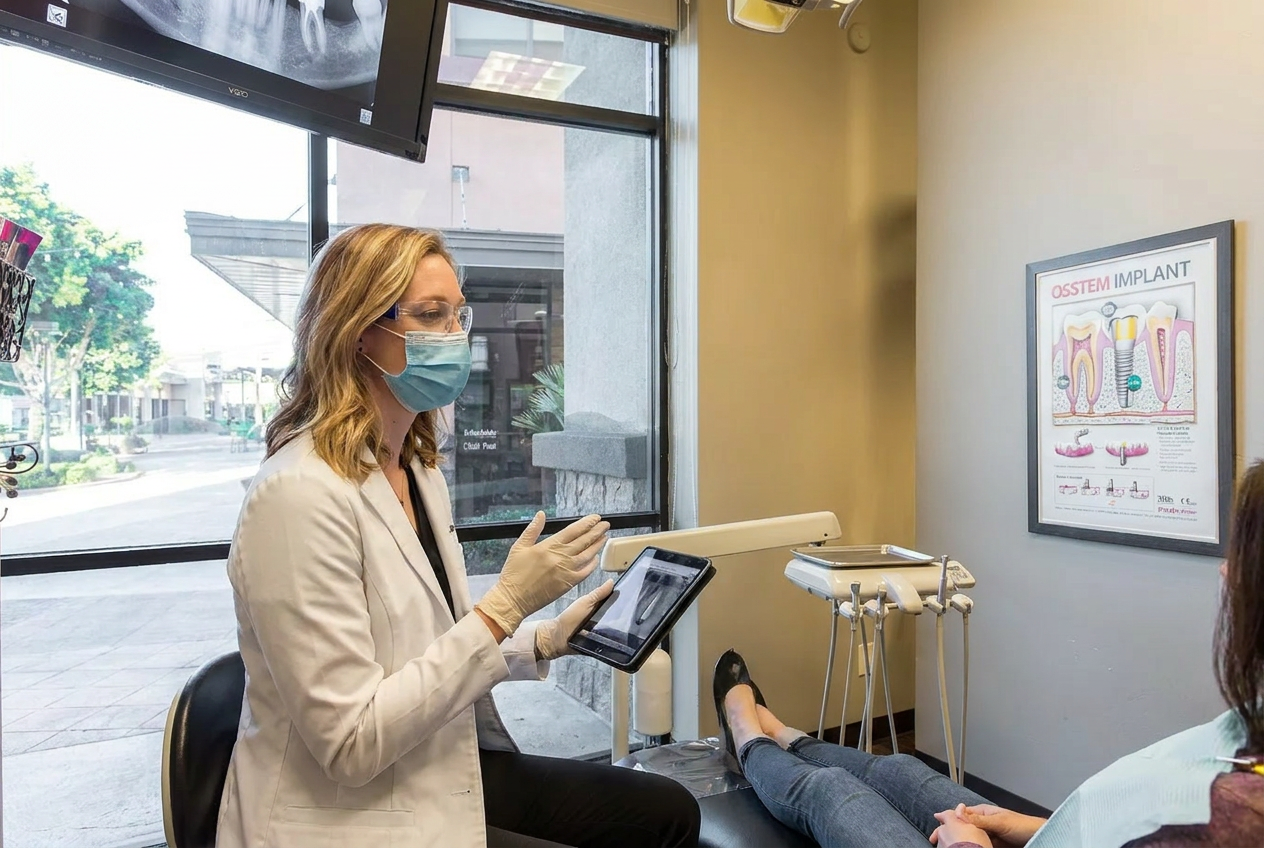
Root Canals in Glendale, AZ
Save a damaged tooth and stop the pain with a root canal that restores comfort and normal function.
What Are Root Canals?
Root canals treat infection deep inside a tooth, in the soft tissue called the pulp. You might notice a lingering ache when you drink something hot, sharp pain when you bite down, or swelling along the gumline. These signs often mean bacteria have reached the nerve. Left alone, the infection can spread to the bone and surrounding teeth.
Your dentist removes the infected pulp, cleans the inner chamber, and seals it to prevent reinfection. The tooth stays in place and functions normally. In most cases, the process wraps up with dental crowns to protect the treated tooth long term. Modern root canals at Arrowhead Foothills Family Dentistry feel closer to getting a filling than the painful ordeal many people picture.
Benefits of Root Canals
Root canals do more than stop pain. They let you hold on to a tooth your body already built, so the rest of your bite stays stable.

Keep Your Tooth In Place
Nothing chews or feels quite like a natural tooth. A root canal removes the infected tissue inside while keeping the outer structure intact, so that tooth can last for years.

Relief Starts Right Away
Most patients notice the pressure ease within hours of treatment. The infection causing the pain is gone, and within two or three days most people feel normal again.

One Visit Not Many Months
A root canal typically wraps up in about 60 to 90 minutes. Compare that to pulling the tooth and replacing it later, which can stretch across several appointments.
When Root Canals Become Necessary
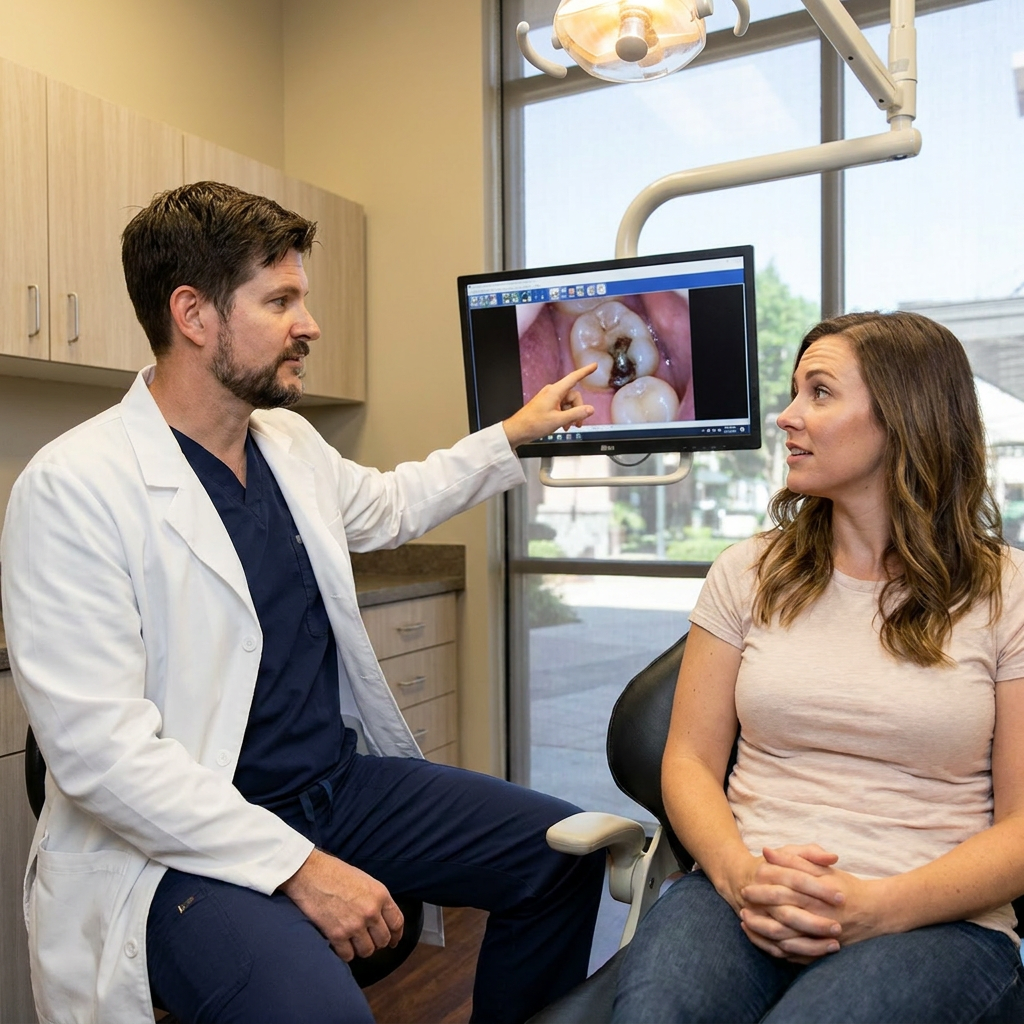
A tooth that wakes you up at night with a deep, throbbing ache is telling you something. Root canals are most often needed when decay or a crack has reached the nerve inside a tooth. You might notice sharp pain when biting down, lingering sensitivity to hot or cold drinks, or swelling along the gumline. Sometimes there are no symptoms at all, and the infection only shows up during exams & x-rays.
Adults of any age can need this treatment. A cavity that sat too long, a sports injury from years ago, or a tooth that has had multiple fillings can all lead to nerve damage over time. The good news for the tooth itself is that root canals at Arrowhead Foothills Family Dentistry save natural teeth that would otherwise need to come out. After treatment, your dentist typically protects the tooth with dental crowns to restore its full strength and shape.
What to Expect During Your Visit
Your dentist starts by numbing the tooth and surrounding area, so you'll feel pressure but not pain. A small opening is made in the top of the tooth, and tiny instruments clean out the infected pulp from inside the canals. The whole process feels a lot like getting a filling. Most root canals at Arrowhead Foothills Family Dentistry take about 60 to 90 minutes.
Some mild soreness around the tooth is normal for two to three days, and over-the-counter pain relievers usually handle it well. You can eat once the numbness wears off, though sticking to softer foods for the first day or two helps. A follow-up visit to place dental crowns over the treated tooth protects it long-term.

Before Your Appointment
- 01
Eat a solid meal about an hour before your appointment, since the numbness in your jaw can last two to three hours afterward.
- 02
Take your usual dose of ibuprofen about 30 minutes before arriving to help stay ahead of any soreness once the anesthetic wears off.
- 03
Mention any history of swelling or past reactions to dental anesthetics so the team can adjust your numbing plan before starting.
After Your Appointment
- 01
Stick to soft foods on the opposite side of your mouth for 2 to 3 days while the treated tooth settles under its temporary filling.
- 02
Brush gently around the treated tooth but skip flossing directly on it until your permanent crown is placed at your follow-up visit.
- 03
Watch for throbbing that gets worse after the third day or swelling that spreads, and contact your dentist if either one shows up.
Advanced Root Canal Technology
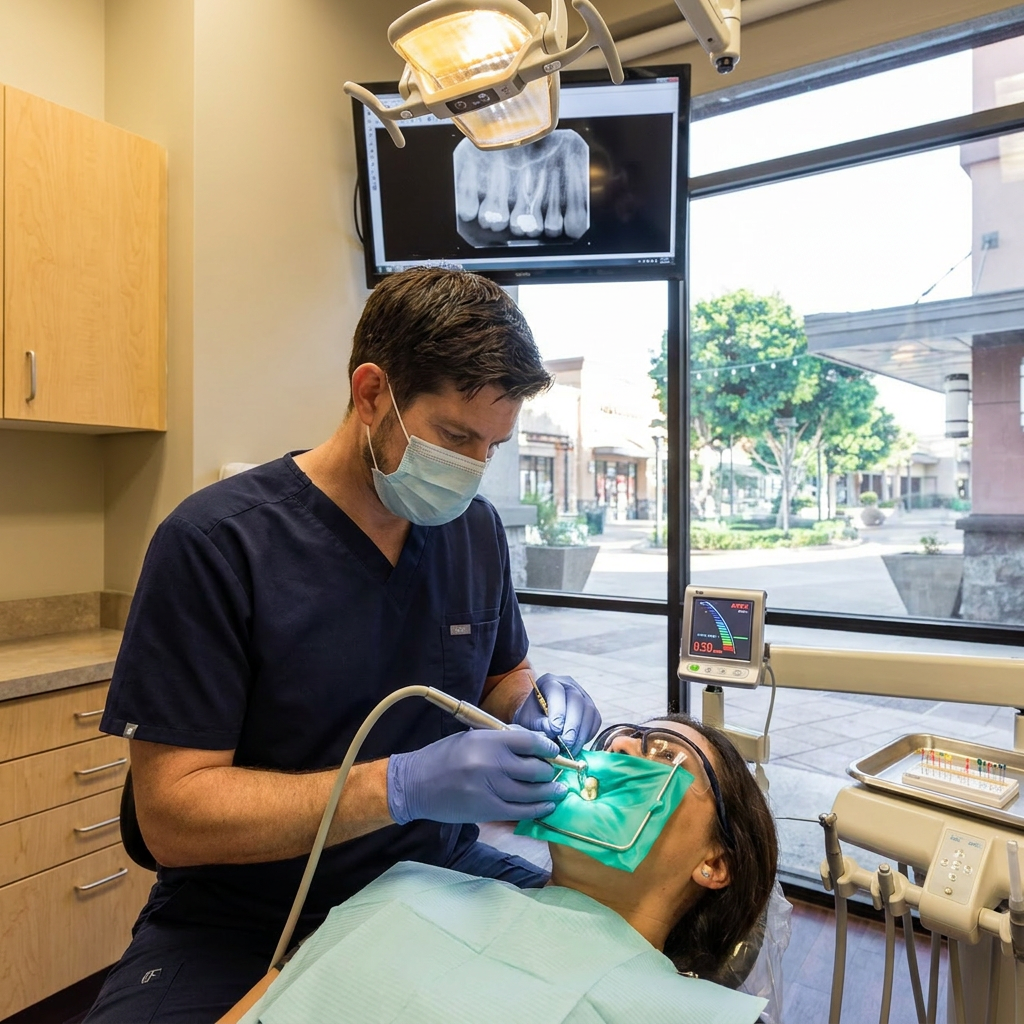
Rotary nickel-titanium instruments have replaced the hand files dentists once used to clean root canals. These flexible, motor-driven files follow the natural curves inside a tooth more precisely, which means less time in the chair and a more thorough cleaning of each canal. Digital x-rays taken during the procedure show the full length of every root in seconds, using roughly 80% less radiation than traditional film.
Electronic apex locators measure the exact depth of each canal in real time, so your dentist knows the moment the instrument reaches the tip of the root. That level of accuracy was difficult to achieve even ten years ago. The team at Arrowhead Foothills Family Dentistry in Glendale, AZ pairs these tools with biocompatible sealing materials that bond tightly inside the canal, reducing the chance of reinfection down the road.
Why Our Patients Love Us
Real feedback from the families and neighbors we treat every week at our Glendale, AZ practice. These are the moments that remind Dr. Steele, Dr. Howard, and our whole team why we do this work.

-
-
-
-
-
Had a dental emergency and they got me in within a couple hours. They are full service so was able to make a crown while I waited. Had me in and out in 2 hours. So thankful did not have to go around with a cracked tooth. Highly recommend them

-
-
-
-
-
This practice is great. Everyone is so nice and professional. I decided to use them for my orthodontic journey. Andrea is my tech/dental assistant. She is so adorable and so patient. I’m proving to be a difficult case which means we get to see each other a lot!! I feel like I’m part of the AFD family. They are the best!
-
-
-
-
-
Highly recommend! Doctors and staff does an amazing job. Your in the best care here at Arrowhead foothills dentistry. Come and check it out, you will not be disappointed. Let's make Teeth great again!!
-
-
-
-
-
High quality dental care and services. Friendly and professional staff . Dr. Steele cares for his patients by being proactive for your future health. Been a patient here over 10 and will be long term.
Frequently Asked Questions
How long does a root canal tooth last?
A tooth saved by root canals can last a lifetime when protected with dental crowns and maintained with regular checkups. Most treated teeth are still functioning well after 15 to 20 years.
Can I eat normally after a root canal heals?
Once the permanent restoration is placed and the area has healed, you can eat just about anything. Most patients in Glendale, AZ are back to their normal diet within a week or two.
Is a root canal better than pulling the tooth?
Keeping your natural tooth preserves your jawbone and bite alignment, which pulling cannot do. Replacing a missing tooth later with dental implants or dentures adds extra time and complexity.
Are root canals safe during pregnancy?
Root canals are generally considered safe during the second trimester. Your dentist will use pregnancy-safe anesthetics and skip routine x-rays unless absolutely necessary for diagnosis.
How often will I need follow-up visits after root canals?
Your dentist will typically check the treated tooth at your next regular exam, usually six months later. After that, standard dental cleanings and annual x-rays are enough to monitor it long term.
Stay Informed with Expert Insights & Tips About Root Canals
No Blog Posts Yet
We're working on new articles to help you care for your smile. Check back soon for updates from Arrowhead Foothills Family Dentistry
Connect {{i}}With Our Team{{/i}}
We're welcoming new patients and would love to see you. Whether it's a routine checkup or your very first visit, our team is here to help. Reach out online, give us a call, or stop by our Glendale office.
OFFICE HOURS
Monday – Wednesday: 7:00 AM – 5:00 PM
Thursday: 9:00 AM – 5:00 PM
Friday – Sunday: ClosedCONTACT
(602) 978-9794
DENTAL EMERGENCY?
We offer same-day emergency appointments to help you find relief fast. Call us immediately at (602) 978-9794

Thank you for booking your appointment!
We’ve received your request and will contact you soon to confirm the details. We look forward to seeing you at Arrowhead Foothills Family Dentistry!