

Veneers in Glendale, AZ
Custom porcelain veneers correct chips, gaps, and discoloration for a natural-looking, confident smile.
What Are Veneers and How Do They Work?
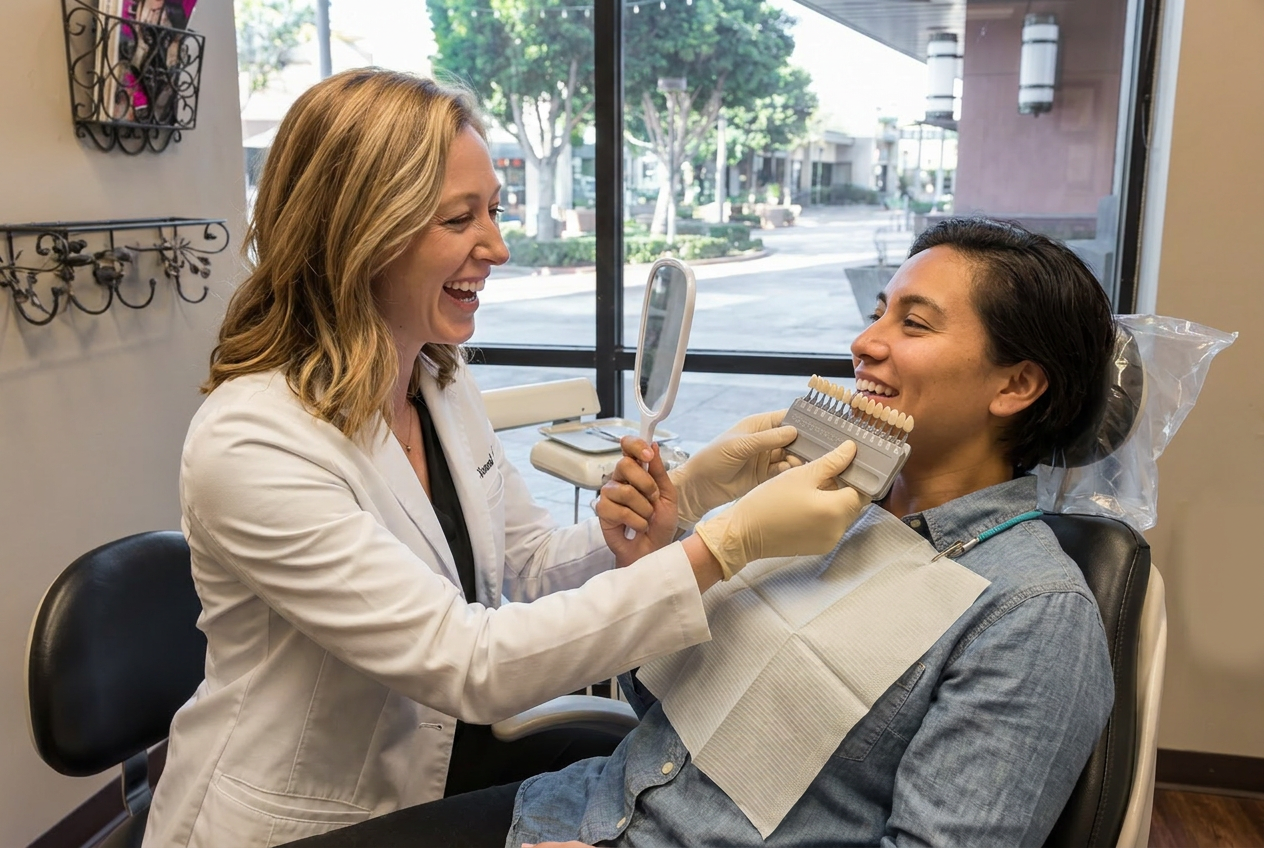
A chipped front tooth or a gap that catches your eye every time you look in the mirror can make you hesitant to smile openly. Veneers are thin porcelain shells bonded to the front surface of your teeth, covering chips, stains, minor crowding, and uneven edges in one streamlined treatment. Each shell is custom-shaped to match the size, color, and contour of the surrounding teeth so the result looks natural, not overdone.
Your dentist removes a small amount of enamel (roughly the thickness of a contact lens) so the veneer sits flush and feels smooth against your lip. Impressions or digital scans guide the lab in crafting each piece, and the final bonding appointment at Arrowhead Foothills Family Dentistry typically takes about an hour. Once placed, veneers respond to brushing and routine dental cleanings just like your natural teeth.
Benefits of Veneers
Veneers do more than change how your teeth look. They change how you feel every time you open your mouth to laugh, talk, or smile.

Chips And Gaps Disappear
A single veneer can close a noticeable gap or cover a chipped edge that has bothered you for years. The porcelain is shaded to blend with your surrounding teeth naturally.
Color That Resists Stains
Porcelain resists coffee, tea, and red wine stains far better than natural enamel. Your veneers hold their shade for years while regular cleanings keep the rest bright.

Only A Thin Layer Removed
Your dentist removes about half a millimeter of enamel, roughly the thickness of a fingernail. Most of your natural tooth stays intact, and prep feels like a filling.
Is Veneer Treatment Right for You?
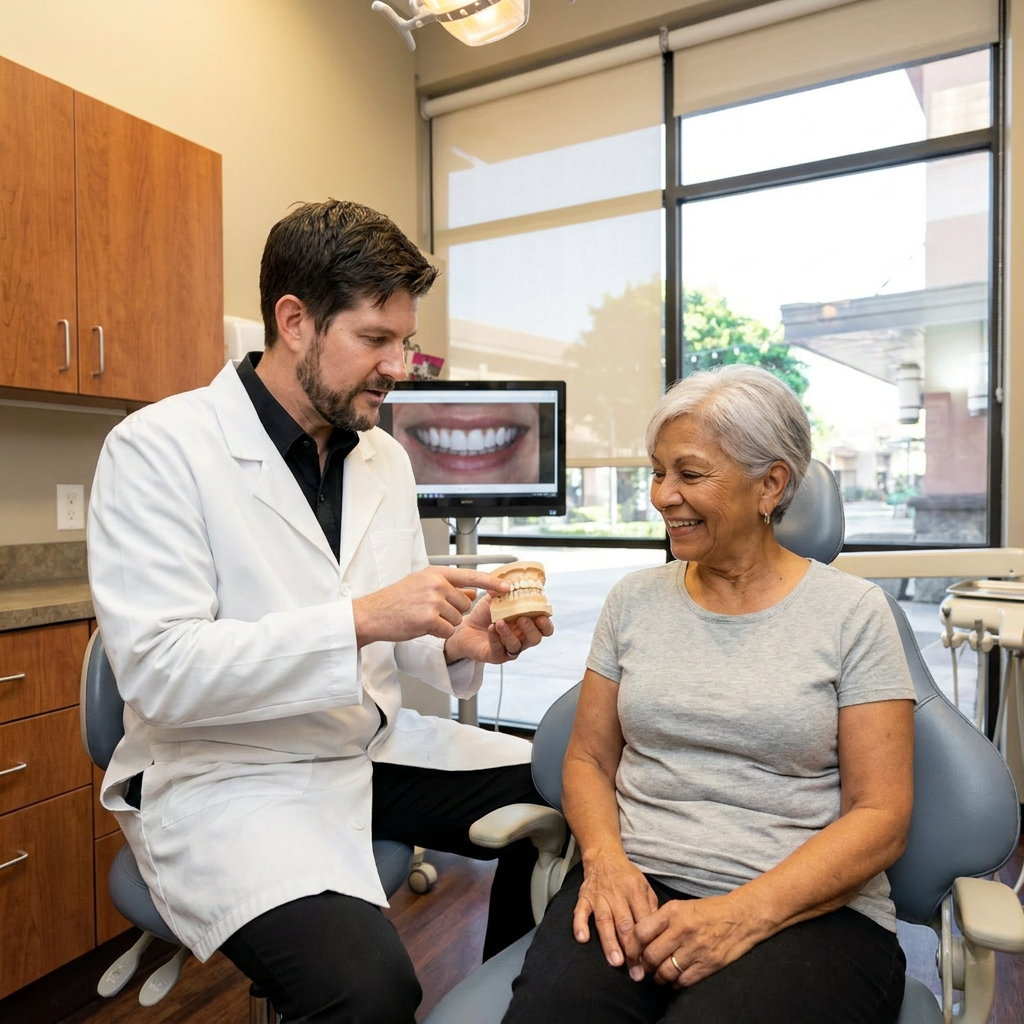
You notice it every time you catch your reflection or scroll through photos. A chipped front tooth, a stubborn stain that whitening never fixed, or a slight gap that has always made you self-conscious. Veneers work well for adults who want to correct these kinds of visible flaws without months of orthodontic treatment. They also help teeth that are naturally small, uneven, or worn down from years of grinding.
Your dentist at Arrowhead Foothills Family Dentistry will start with exams & x-rays to confirm your teeth and gums are healthy enough for veneers. Most adults with stable oral health qualify. Teens usually need to wait until their teeth have fully developed, typically by their late teens. If you have been putting up with a smile that holds you back, veneers offer a predictable, long-lasting correction.
What to Expect During Your Visit
Your dentist starts by numbing the area, so you won't feel any discomfort during prep work. A thin layer of enamel is gently reshaped to make room for each veneer, and impressions are taken to guide the final fit. Temporary veneers protect your teeth while the permanent ones are crafted. The full visit usually runs about an hour.
Once your custom veneers are ready, you'll come back for bonding. Each one is checked for color and fit before being permanently placed. Most people feel normal within a day or two. Your dentist will schedule a short follow-up to check your bite and make sure everything has settled in well.
Before Your Appointment
- 01
Skip coffee and red wine for 24 hours before your visit so your dentist can match veneer shades to your natural tooth color.
- 02
Mention any teeth grinding or clenching habits at the start of your appointment, since this affects veneer material choices.
- 03
Eat a full meal beforehand because your teeth will be sensitive after enamel is prepped and temporary veneers are placed.
After Your Appointment
- 01
Skip hard, crunchy foods like raw carrots and nuts for 48 hours while the bonding on your new veneers fully sets.
- 02
Brush gently around each veneer with a non-abrasive toothpaste. Whitening formulas can dull the polished surface over time.
- 03
Hold off on biting directly into apples or corn on the cob. Cut them into smaller pieces to protect the veneer edges long-term.
Advanced Veneer Materials and Placement Techniques
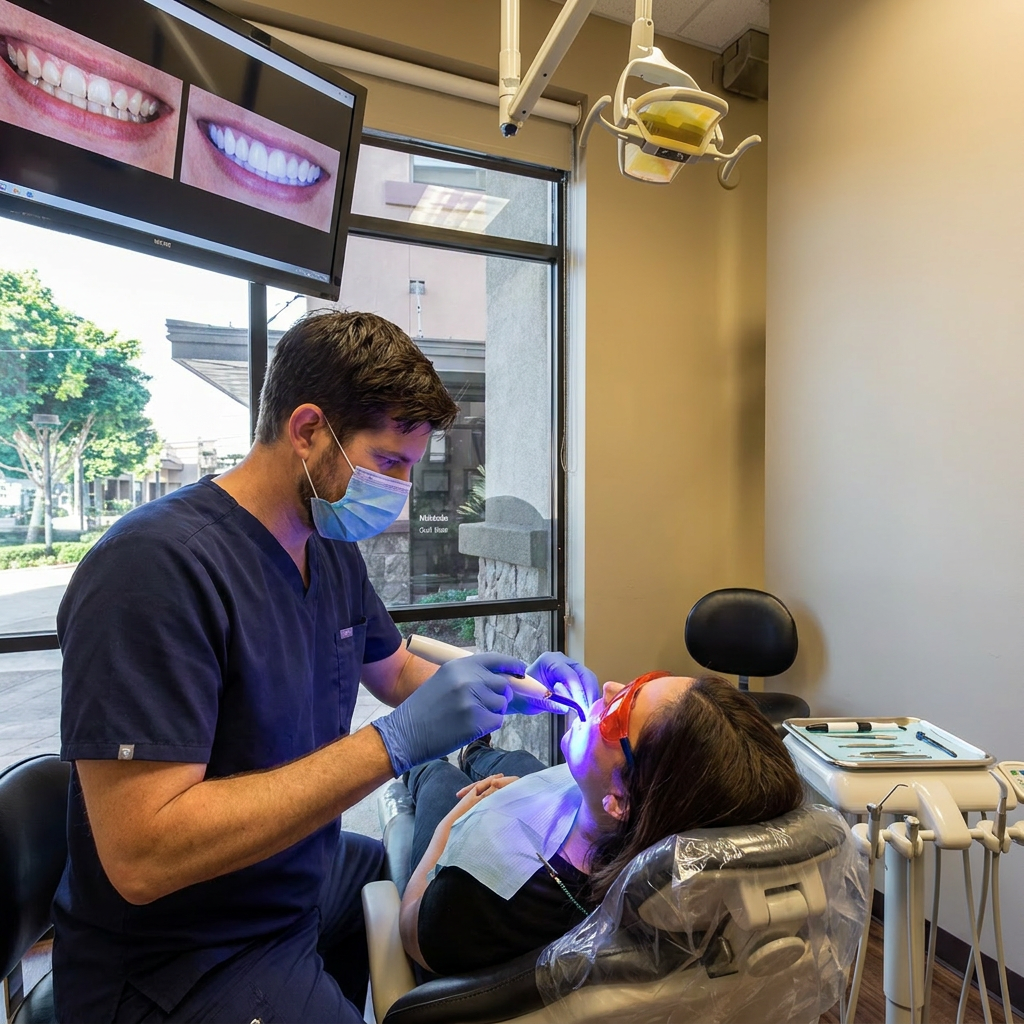
Pressed lithium disilicate and layered feldspathic porcelain have replaced the bulkier ceramics that once made veneers look opaque or unnaturally white. Today's materials are translucent enough to mimic the way light passes through real enamel, and they resist coffee and wine staining far better than composite alternatives. The result is a restoration that holds its shade for years without dulling.
Digital scanning has changed the prep side of the process, too. Instead of biting into a tray of impression putty, you sit comfortably while a handheld scanner maps every ridge and angle in minutes. That 3D model lets the lab mill or layer each veneer with precision measured in microns, so your dentist spends less time adjusting fit at the bonding appointment and you spend less time in the chair.
Why Our Patients Love Us
Real feedback from the families and neighbors we treat every week at our Glendale, AZ practice. These are the moments that remind Dr. Steele, Dr. Howard, and our whole team why we do this work.

-
-
-
-
-
Had a dental emergency and they got me in within a couple hours. They are full service so was able to make a crown while I waited. Had me in and out in 2 hours. So thankful did not have to go around with a cracked tooth. Highly recommend them

-
-
-
-
-
This practice is great. Everyone is so nice and professional. I decided to use them for my orthodontic journey. Andrea is my tech/dental assistant. She is so adorable and so patient. I’m proving to be a difficult case which means we get to see each other a lot!! I feel like I’m part of the AFD family. They are the best!
-
-
-
-
-
Highly recommend! Doctors and staff does an amazing job. Your in the best care here at Arrowhead foothills dentistry. Come and check it out, you will not be disappointed. Let's make Teeth great again!!
-
-
-
-
-
High quality dental care and services. Friendly and professional staff . Dr. Steele cares for his patients by being proactive for your future health. Been a patient here over 10 and will be long term.
Frequently Asked Questions
How long do porcelain veneers typically last?
Porcelain veneers generally last 10 to 15 years, and many hold up even longer with consistent care. Brushing, flossing, and keeping up with dental cleanings help protect the bond and the surrounding tooth structure over time.
Can I eat normally with veneers on my front teeth?
You can eat most foods without any issues. Porcelain is strong, but biting directly into very hard items like ice or bone-in ribs can chip them. Most patients forget they even have veneers after the first few weeks.
How do veneers compare to dental bonding?
Bonding uses composite resin applied in one visit, but it stains more easily and typically lasts 5 to 7 years. Veneers are custom-made porcelain shells that resist staining and hold their shape significantly longer, making them a better fit for visible front teeth.
Are veneers a good option if I grind my teeth at night?
Grinding puts extra force on porcelain, which can cause chips over time. Your dentist at Arrowhead Foothills Family Dentistry will check for signs of grinding during exams and x-rays and may recommend a night guard to protect your veneers while you sleep.
Do veneers ever need to be replaced?
They do eventually. Most replacements happen after 12 to 20 years, usually because the bonding wears down or the edge lifts slightly. Your dentist monitors them at regular checkups and can catch small issues before they become bigger problems.
Stay Informed with Expert Insights & Tips About Veneers
No Blog Posts Yet
We're working on new articles to help you care for your smile. Check back soon for updates from Arrowhead Foothills Family Dentistry
Connect {{i}}With Our Team{{/i}}
We're welcoming new patients and would love to see you. Whether it's a routine checkup or your very first visit, our team is here to help. Reach out online, give us a call, or stop by our Glendale office.
OFFICE HOURS
Monday – Wednesday: 7:00 AM – 5:00 PM
Thursday: 9:00 AM – 5:00 PM
Friday – Sunday: ClosedCONTACT
(602) 978-9794
DENTAL EMERGENCY?
We offer same-day emergency appointments to help you find relief fast. Call us immediately at (602) 978-9794

Thank you for booking your appointment!
We’ve received your request and will contact you soon to confirm the details. We look forward to seeing you at Arrowhead Foothills Family Dentistry!