

TMJ Treatment in Glendale, AZ
Relieve jaw pain, tension, and clicking with targeted TMJ treatment for lasting comfort.
What Is TMJ Treatment?
Jaw pain that flares up when you chew, a clicking sound every time you open your mouth, headaches that start near your temples and won't quit. These are signs your temporomandibular joint isn't working the way it should. TMJ treatment targets the root cause of that dysfunction, not just the symptoms you feel day to day.
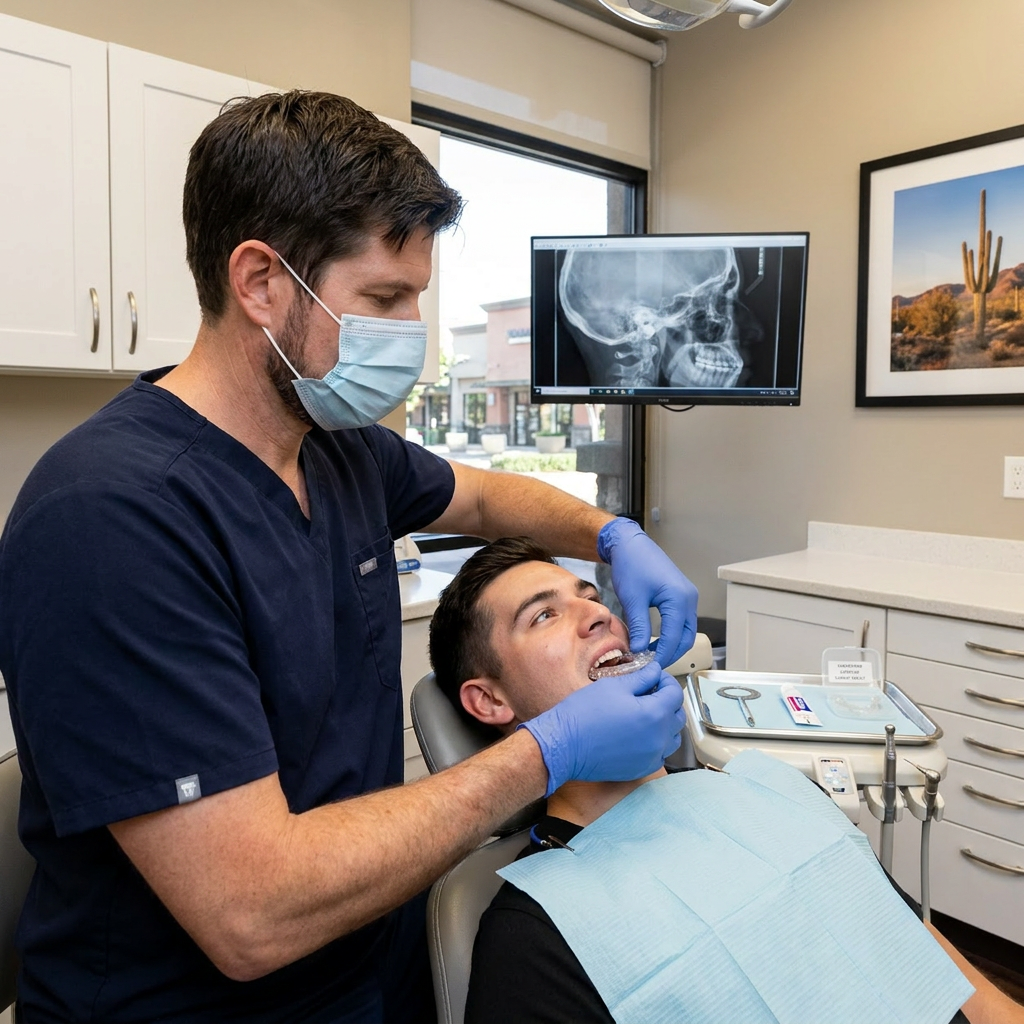
Your dentist starts with a thorough evaluation during exams & x-rays to pinpoint what's driving the problem, whether it's a misaligned bite, grinding habit, or joint inflammation. TMJ treatment may include a custom oral appliance, bite adjustment, or targeted muscle therapy. Most patients in Glendale, AZ notice real improvement within a few weeks of consistent use.
Benefits of TMJ Treatment
TMJ treatment targets the source of your discomfort, not just the symptoms, so you get results that hold up over time.

Chew Without Jaw Pain Now
Chewing should not hurt. Treatment restores normal jaw function so you can bite into solid foods and finish a full meal without cutting everything into tiny pieces.
Fewer Morning Headaches
Chronic jaw tension often triggers headaches before you even get out of bed. Correcting the bite and muscle imbalance behind TMJ can ease or eliminate those headaches.

Less Wear From Grinding
Untreated jaw problems often bring clenching and grinding that wear teeth flat or crack them. Addressing the cause now can save you from needing crowns down the road.
Signs You May Need TMJ Treatment
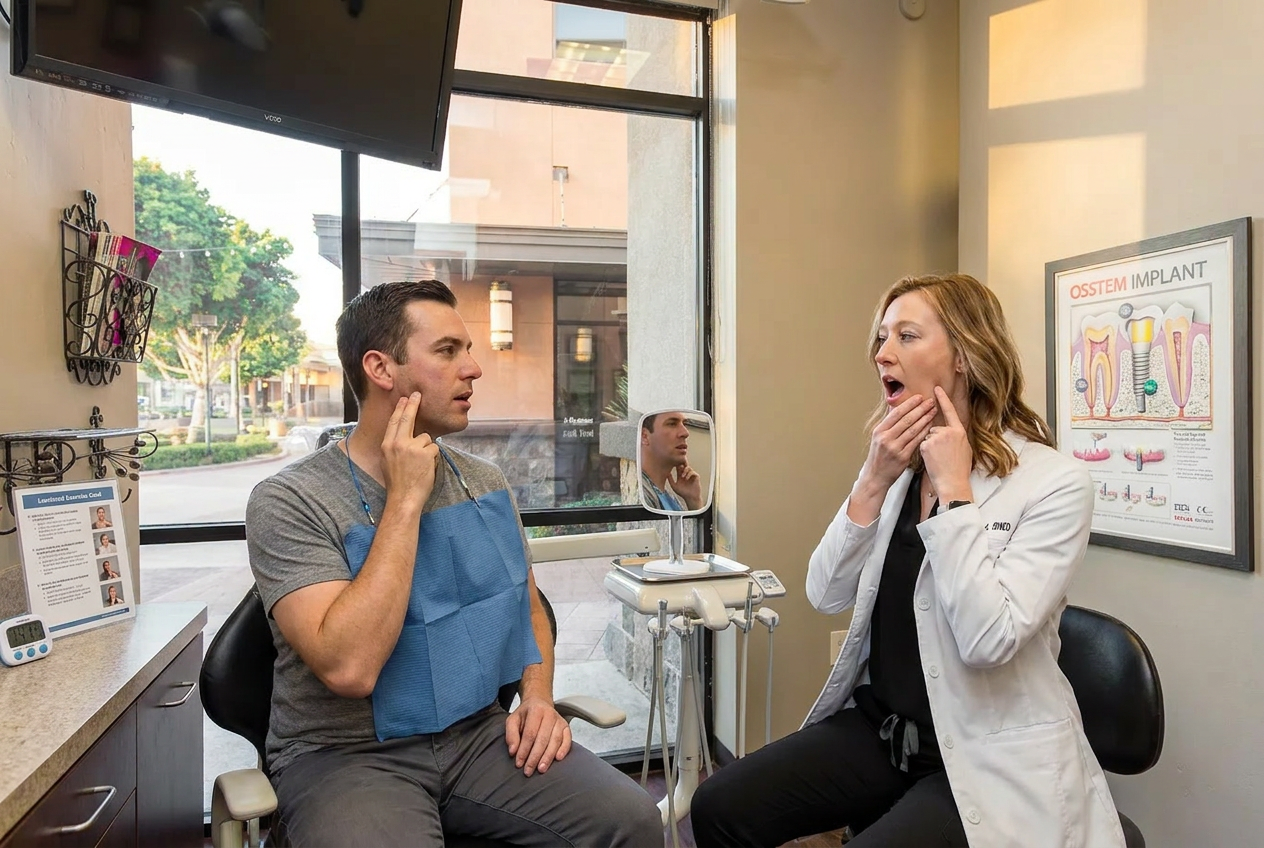
If your jaw clicks or locks when you chew, or you wake up most mornings with a dull ache radiating from your ear to your temple, those are signals your temporomandibular joint is under stress. TMJ treatment helps people dealing with chronic jaw pain, frequent headaches, and difficulty opening their mouth fully. The problem shows up across age groups, from teens who clench during exams to adults grinding through work stress every night.
Sometimes TMJ disorders develop alongside other dental issues. Worn-down or cracked teeth from years of grinding may eventually need dental crowns to restore their shape. Your dentist at Arrowhead Foothills Family Dentistry can evaluate your bite, joint movement, and muscle tension during exams & x-rays to pinpoint exactly what is driving your symptoms and build a treatment plan around your specific situation.
What to Expect During Your Visit
Your first TMJ treatment visit at Arrowhead Foothills Family Dentistry starts with a careful exam of your jaw joints, bite alignment, and muscle tension. The dentist may gently press around your jaw and temples to pinpoint where the discomfort originates. If imaging is needed, it happens the same day. The whole evaluation is comfortable and typically wraps up in about 30 minutes.
Based on what the exam reveals, your dentist will walk you through a treatment plan that might include a custom oral appliance, bite adjustments, or targeted exercises. Many patients in Glendale, AZ notice real improvement within a few weeks. A short follow-up visit lets the team fine-tune your progress and make any needed changes.

Before Your Appointment
- 01
Write down when your jaw pain is worst, like morning stiffness or pain after chewing, so your dentist can pinpoint your TMJ triggers.
- 02
Skip chewing gum or tough snacks for 24 hours before your visit so your jaw muscles are as relaxed as possible during the exam.
- 03
Bring a list of any medications you take regularly, including over-the-counter pain relievers you've tried for jaw or headache relief.
After Your Appointment
- 01
Apply a warm, moist cloth to the side of your jaw for 15 to 20 minutes several times a day to ease muscle tension.
- 02
Stick to softer foods like soup, pasta, and scrambled eggs for a few days so your jaw muscles can rest between meals.
- 03
Skip chewing gum, biting your nails, or clenching during the day. Keeping your jaw relaxed between meals speeds your progress.
Advanced TMJ Treatment Technology
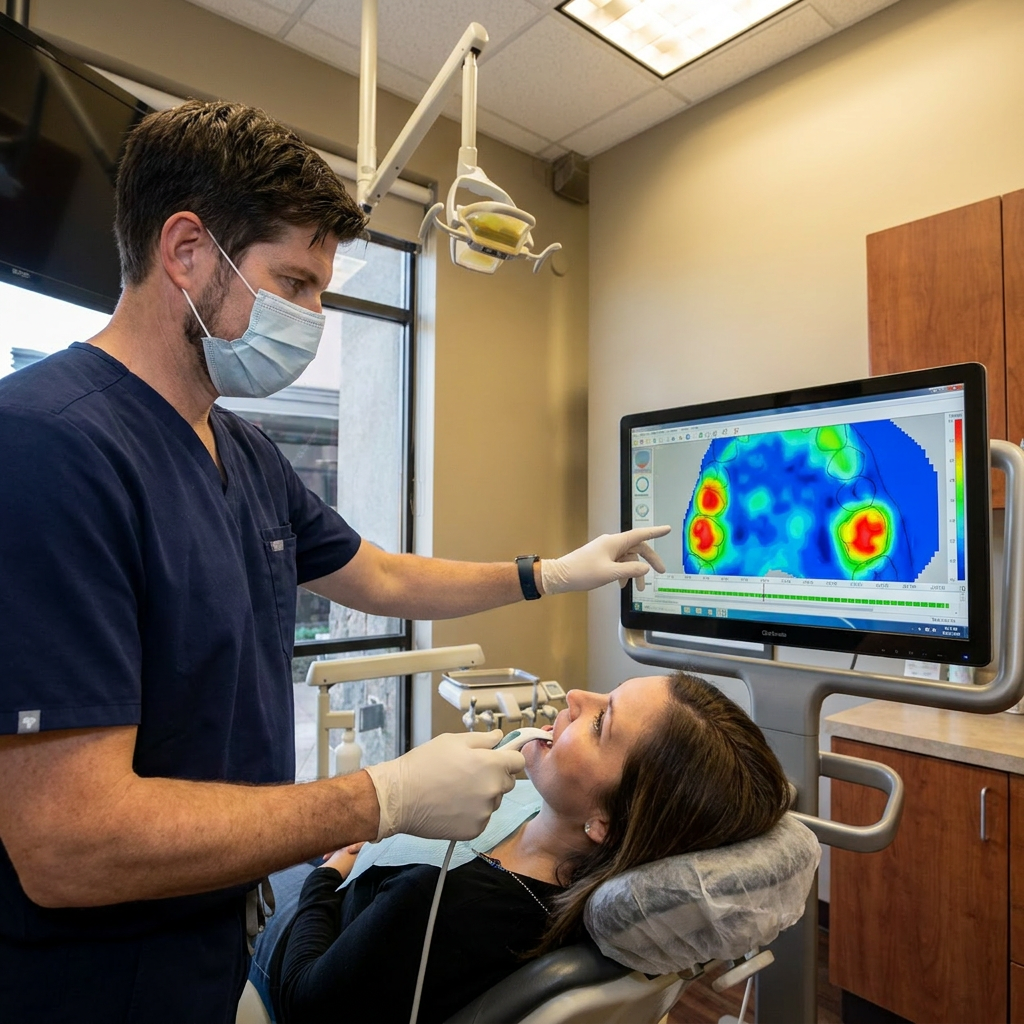
Diagnosing TMJ disorders used to rely heavily on a dentist pressing around the joint and listening for clicks. Today, digital imaging captures detailed views of the joint structure, surrounding bone, and soft tissue in a single scan. That level of clarity helps the team at Arrowhead Foothills Family Dentistry identify disc displacement, bone changes, or inflammation that a standard x-ray might miss.
Custom oral appliances have also come a long way. Digital impressions create a precise 3D map of your bite, so the appliance fits snugly from the first night. Newer thermoplastic materials are thinner and more durable than older acrylic splints, which means less bulk in your mouth and a device that holds its shape longer. Some patients also benefit from low-level laser therapy, which reduces muscle tension and speeds tissue healing without any discomfort.
Why Our Patients Love Us
Real feedback from the families and neighbors we treat every week at our Glendale, AZ practice. These are the moments that remind Dr. Steele, Dr. Howard, and our whole team why we do this work.

-
-
-
-
-
Had a dental emergency and they got me in within a couple hours. They are full service so was able to make a crown while I waited. Had me in and out in 2 hours. So thankful did not have to go around with a cracked tooth. Highly recommend them

-
-
-
-
-
This practice is great. Everyone is so nice and professional. I decided to use them for my orthodontic journey. Andrea is my tech/dental assistant. She is so adorable and so patient. I’m proving to be a difficult case which means we get to see each other a lot!! I feel like I’m part of the AFD family. They are the best!
-
-
-
-
-
Highly recommend! Doctors and staff does an amazing job. Your in the best care here at Arrowhead foothills dentistry. Come and check it out, you will not be disappointed. Let's make Teeth great again!!
-
-
-
-
-
High quality dental care and services. Friendly and professional staff . Dr. Steele cares for his patients by being proactive for your future health. Been a patient here over 10 and will be long term.
Frequently Asked Questions
How long does TMJ treatment take to relieve jaw pain?
Most patients notice improvement within two to four weeks of starting treatment. Some cases involving bite adjustments or custom splints take a few months to fully stabilize, and your dentist will track your progress at follow-up visits.
Can TMJ treatment help with headaches and ear pain?
Yes. Chronic headaches, earaches, and neck tension often trace back to jaw joint dysfunction. Once the joint mechanics and muscle tension improve through treatment, those secondary symptoms typically fade as well.
Is TMJ treatment safe during pregnancy?
Most non-invasive options like oral splints and jaw exercises are safe throughout pregnancy. Your dentist will avoid imaging or medications that aren't recommended during pregnancy and can coordinate with your OB-GYN if needed.
Will I need to wear a mouthguard forever after TMJ treatment?
It depends on the cause. If nighttime clenching or grinding triggered your symptoms, wearing a splint while you sleep is usually a long-term habit worth keeping. It protects both the joint and your teeth from future wear.
Can untreated TMJ problems damage my teeth over time?
They can. Chronic clenching and grinding wear down enamel, crack fillings, and can even fracture teeth. Patients who put off treatment sometimes end up needing dental crowns to restore teeth that have been ground flat or fractured.
Stay Informed with Expert Insights & Tips About TMJ Treatment
No Blog Posts Yet
We're working on new articles to help you care for your smile. Check back soon for updates from Arrowhead Foothills Family Dentistry
Connect {{i}}With Our Team{{/i}}
We're welcoming new patients and would love to see you. Whether it's a routine checkup or your very first visit, our team is here to help. Reach out online, give us a call, or stop by our Glendale office.
OFFICE HOURS
Monday – Wednesday: 7:00 AM – 5:00 PM
Thursday: 9:00 AM – 5:00 PM
Friday – Sunday: ClosedCONTACT
(602) 978-9794
DENTAL EMERGENCY?
We offer same-day emergency appointments to help you find relief fast. Call us immediately at (602) 978-9794

Thank you for booking your appointment!
We’ve received your request and will contact you soon to confirm the details. We look forward to seeing you at Arrowhead Foothills Family Dentistry!