

Periodontal Treatment in Glendale, AZ
Treat gum disease and restore healthy tissue to protect your teeth and support long-term oral health.
What Is Periodontal Treatment?
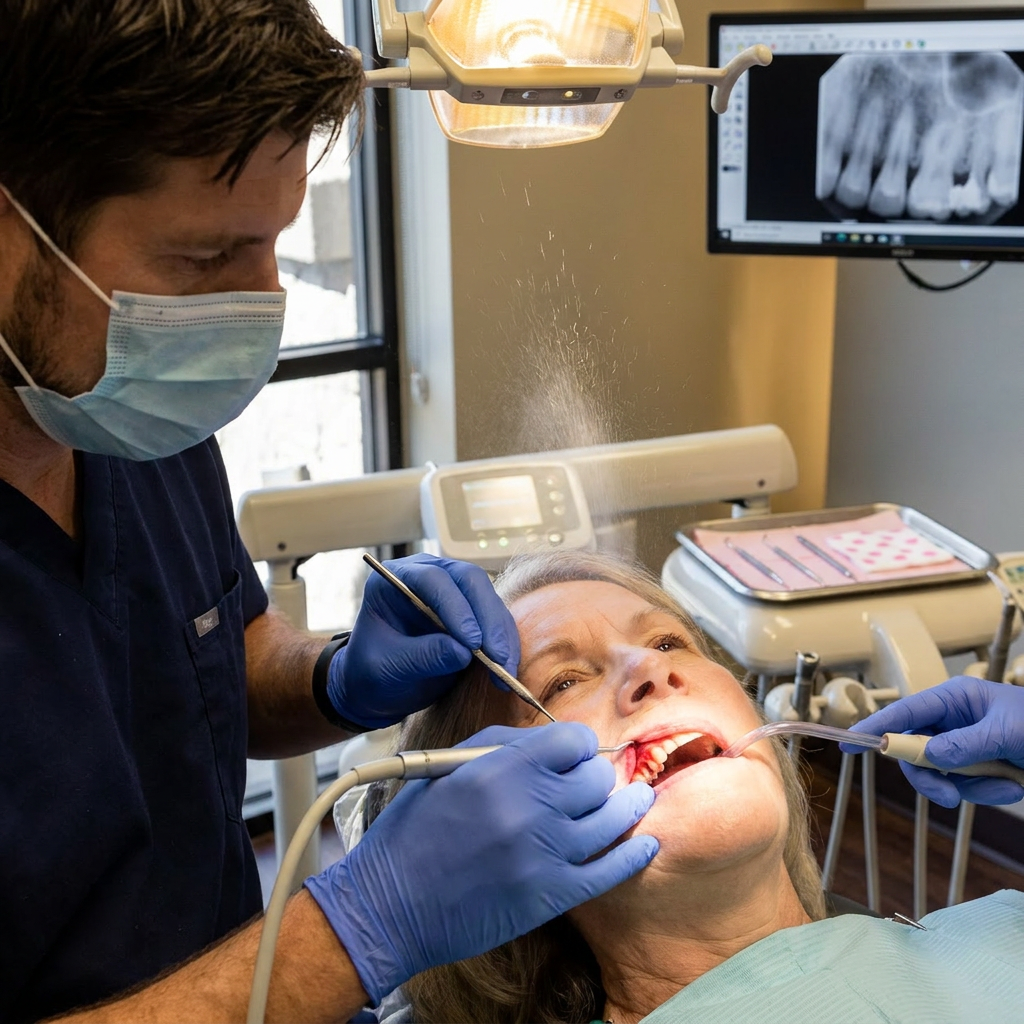
Gums that bleed when you brush or floss are easy to ignore, but that bleeding is often the first sign of gum disease. Periodontal treatment targets the infection hiding below your gumline, where regular brushing can't reach. Your dentist removes hardened bacteria from the roots of your teeth and smooths the root surfaces so gum tissue can reattach. Caught early, the process is straightforward and surprisingly comfortable.
Left alone, gum disease quietly breaks down the bone that holds your teeth in place. That bone loss can eventually lead to loose teeth or the need for dental implants to replace ones that can't be saved. Periodontal treatment at Arrowhead Foothills Family Dentistry stops that progression and gives your gums a real chance to heal. Most patients in Glendale, AZ notice firmer, healthier tissue within a few weeks of completing their treatment plan.
Benefits of Periodontal Treatment
Periodontal treatment targets the root cause of gum problems, not just the symptoms you can see, so results actually last.

Stopping Bone Loss Early
Untreated gum infection slowly breaks down the bone that anchors your teeth. This treatment clears bacteria below the gumline, helping you keep teeth you might lose.

Mornings Without Bleeding
Bleeding when you brush or floss is an early sign of inflammation. Most patients notice a real difference within weeks, with less tenderness and less swelling overall.

A Stronger Base For Later
Healthy gums are the starting point for almost everything else in dentistry. If you ever need implants or crowns later, stable gum tissue gives your dentist a solid base.
Who Needs Periodontal Treatment?
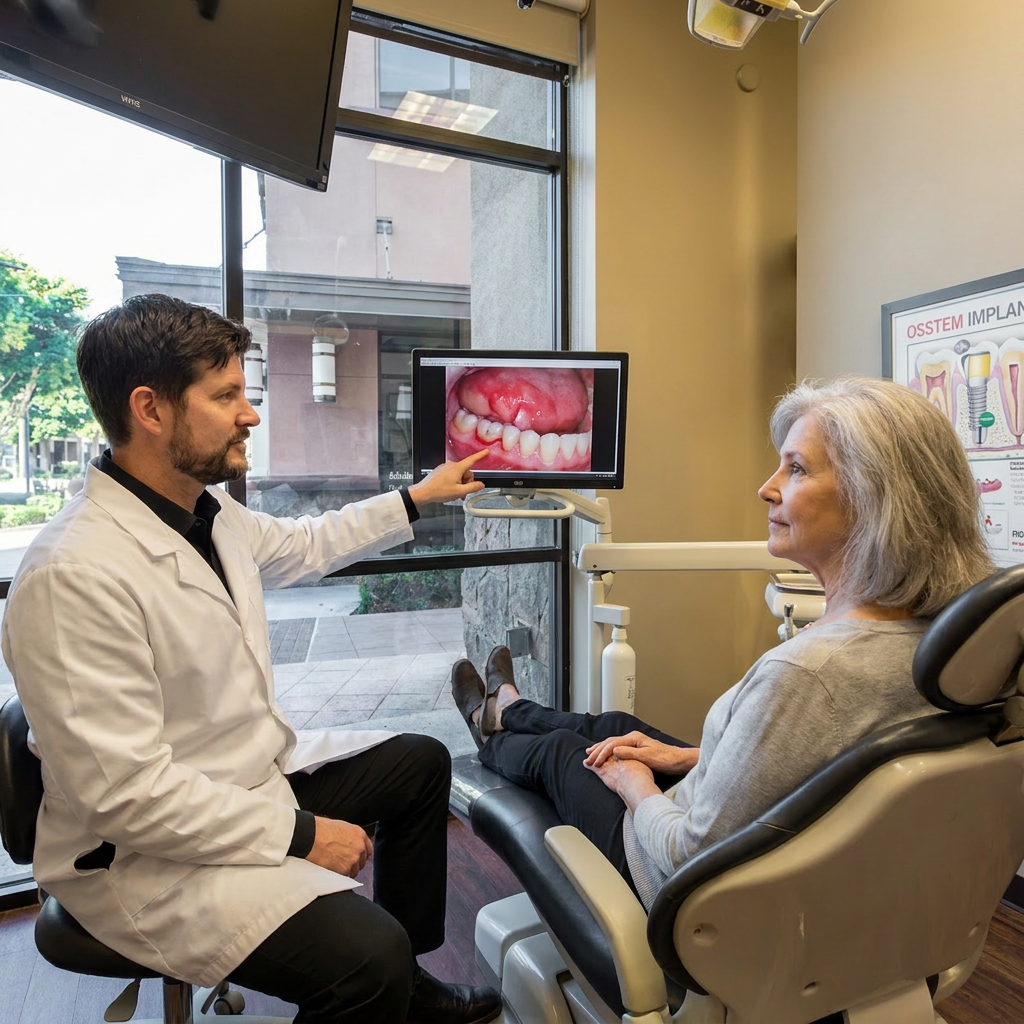
If your gums bleed when you brush or floss, that is not normal. Bleeding, swelling, and persistent bad breath are early signs of gum disease, and they tend to get worse without treatment. Adults over 35 are most commonly affected, but younger patients with diabetes, tobacco use, or a family history of gum problems can develop it too. Periodontal treatment catches the problem before it reaches the bone.
Gum disease that goes untreated long enough can loosen teeth and eventually lead to tooth loss. At that point, restoring your bite may require dental implants or dentures. The team at Arrowhead Foothills Family Dentistry in Glendale, AZ sees patients at every stage, from mild gingivitis to more advanced cases. Early or late, periodontal treatment can stabilize your gums and protect what you still have.
What to Expect During Your Visit
Periodontal treatment starts with a thorough exam so your dentist can measure pocket depths and pinpoint exactly where the problem is. For scaling and root planing, a local anesthetic keeps you comfortable while the team cleans below the gumline and smooths the root surfaces. Most visits run 60 to 90 minutes, depending on how many areas need attention.
Your gums may feel tender for a day or two, but most patients are back to normal eating within 48 hours. You will come back in four to six weeks so the team at Arrowhead Foothills Family Dentistry can check healing and measure pocket depth again. Consistent dental cleanings after treatment help keep bacteria from rebuilding.

Before Your Appointment
- 01
Brush gently along your gumline before your visit so your dentist can clearly see areas of inflammation or recession.
- 02
Write down any spots where your gums bleed during brushing or flossing, since this helps pinpoint where treatment is most needed.
- 03
Take any prescribed antibiotics exactly as directed in the days before your periodontal appointment to reduce bacteria levels.
After Your Appointment
- 01
Rinse gently with warm salt water two to three times a day for the first week to keep treated gum tissue clean while it heals.
- 02
Switch to a soft-bristled toothbrush and brush lightly around the gumline for at least 10 days so you don't disturb healing pockets.
- 03
Hold off on crunchy or sharp foods like chips and raw carrots for about a week, since tender gums need time to firm back up.
Advanced Periodontal Treatment Technology
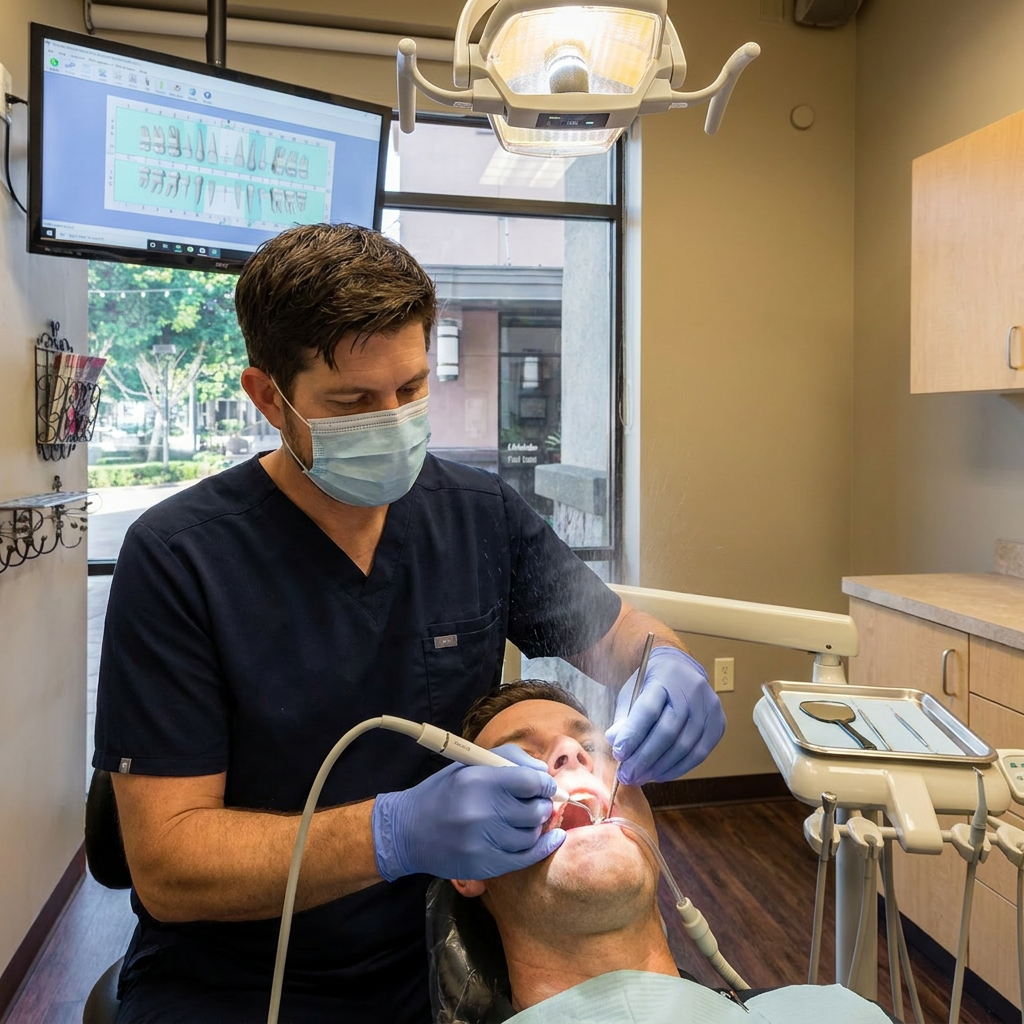
Ultrasonic scalers have changed the way your dentist cleans below the gumline. These instruments use rapid vibrations and a stream of water to break apart calculus deposits without the heavy scraping older hand instruments required. The result is a gentler experience with less tissue irritation, and most patients say it feels more like a vibration than anything sharp. Digital x-rays taken during exams & x-rays also let the team measure bone levels with precision, so treatment targets exactly the areas that need it.
Laser-assisted periodontal therapy is another tool that makes a real difference. A small diode laser can disinfect deep pockets around tooth roots and encourage new tissue attachment, often reducing healing time by several days compared to traditional methods alone. The team at Arrowhead Foothills Family Dentistry uses these technologies together to create a treatment approach matched to the severity of your gum condition, not a one-size-fits-all protocol.
Why Our Patients Love Us
Real feedback from the families and neighbors we treat every week at our Glendale, AZ practice. These are the moments that remind Dr. Steele, Dr. Howard, and our whole team why we do this work.

-
-
-
-
-
Had a dental emergency and they got me in within a couple hours. They are full service so was able to make a crown while I waited. Had me in and out in 2 hours. So thankful did not have to go around with a cracked tooth. Highly recommend them

-
-
-
-
-
This practice is great. Everyone is so nice and professional. I decided to use them for my orthodontic journey. Andrea is my tech/dental assistant. She is so adorable and so patient. I’m proving to be a difficult case which means we get to see each other a lot!! I feel like I’m part of the AFD family. They are the best!
-
-
-
-
-
Highly recommend! Doctors and staff does an amazing job. Your in the best care here at Arrowhead foothills dentistry. Come and check it out, you will not be disappointed. Let's make Teeth great again!!
-
-
-
-
-
High quality dental care and services. Friendly and professional staff . Dr. Steele cares for his patients by being proactive for your future health. Been a patient here over 10 and will be long term.
Frequently Asked Questions
How often will I need follow-up visits after periodontal treatment?
Most patients return every three to four months for periodontal maintenance cleanings during the first year. After that, your dentist evaluates your gum health and may adjust the schedule. Some patients eventually move to visits every six months.
Can periodontal treatment reverse bone loss around my teeth?
Treatment stops further bone loss and gives your gums a chance to reattach to tooth roots. Some bone regeneration is possible with grafting procedures, but bone that has already been lost does not fully regrow on its own.
Is periodontal treatment safe during pregnancy?
Yes. Scaling and root planing are safe during pregnancy, and untreated gum disease actually carries its own risks. Your dentist may recommend scheduling treatment during the second trimester, when most patients feel most comfortable.
Will gum disease come back after periodontal treatment?
Gum disease can return if plaque builds up again along the gumline. Consistent brushing, daily flossing, and keeping your maintenance appointments in Glendale, AZ make recurrence far less likely. Most patients who stick with their schedule stay stable for years.
Does smoking affect how well periodontal treatment works?
Smoking slows healing and reduces blood flow to gum tissue, which limits how well your gums respond. Patients who smoke can still benefit from treatment, but results tend to be stronger and longer lasting for those who cut back or quit.
Stay Informed with Expert Insights & Tips About Periodontal Treatment
No Blog Posts Yet
We're working on new articles to help you care for your smile. Check back soon for updates from Arrowhead Foothills Family Dentistry
Connect {{i}}With Our Team{{/i}}
We're welcoming new patients and would love to see you. Whether it's a routine checkup or your very first visit, our team is here to help. Reach out online, give us a call, or stop by our Glendale office.
OFFICE HOURS
Monday – Wednesday: 7:00 AM – 5:00 PM
Thursday: 9:00 AM – 5:00 PM
Friday – Sunday: ClosedCONTACT
(602) 978-9794
DENTAL EMERGENCY?
We offer same-day emergency appointments to help you find relief fast. Call us immediately at (602) 978-9794

Thank you for booking your appointment!
We’ve received your request and will contact you soon to confirm the details. We look forward to seeing you at Arrowhead Foothills Family Dentistry!