
Oral Cancer Screening in Glendale, AZ
A quick visual and tactile exam that catches early signs of oral cancer before symptoms appear.
What Is Oral Cancer Screening?
Most oral cancers respond well to treatment when they're found early, but the tricky part is that early-stage changes rarely hurt or look alarming. An oral cancer screening catches those subtle signs before they have a chance to progress. Your dentist examines the soft tissues inside your mouth, including your tongue, cheeks, palate, throat, and gums, looking for unusual patches, sores, or texture changes.
The exam itself takes only a few minutes and fits naturally into your regular dental cleanings or exams & x-rays appointments at Arrowhead Foothills Family Dentistry. No needles, no discomfort, just a careful visual and tactile check. If anything looks questionable, your dentist can recommend a follow-up or biopsy right away rather than waiting for symptoms to develop on their own.
Benefits of Oral Cancer Screening
An oral cancer screening adds just a few minutes to your visit but gives you something that lasts much longer: reliable information about your health.

Catches Small Problems
This screening spots unusual tissue changes before they become visible to you at home. Catching changes while they are still tiny is linked to much better outcomes.
Quick And Completely Fast
The screening takes about two to three minutes during your regular visit. Your dentist checks soft tissues visually and by touch, with nothing to prepare for beforehand.

Clear Answers Not Guesses
A sore spot or white patch in your mouth can keep you up at night wondering. This screening gives your dentist a structured way to check it and tell you what is going on.
Who Should Get Screened?
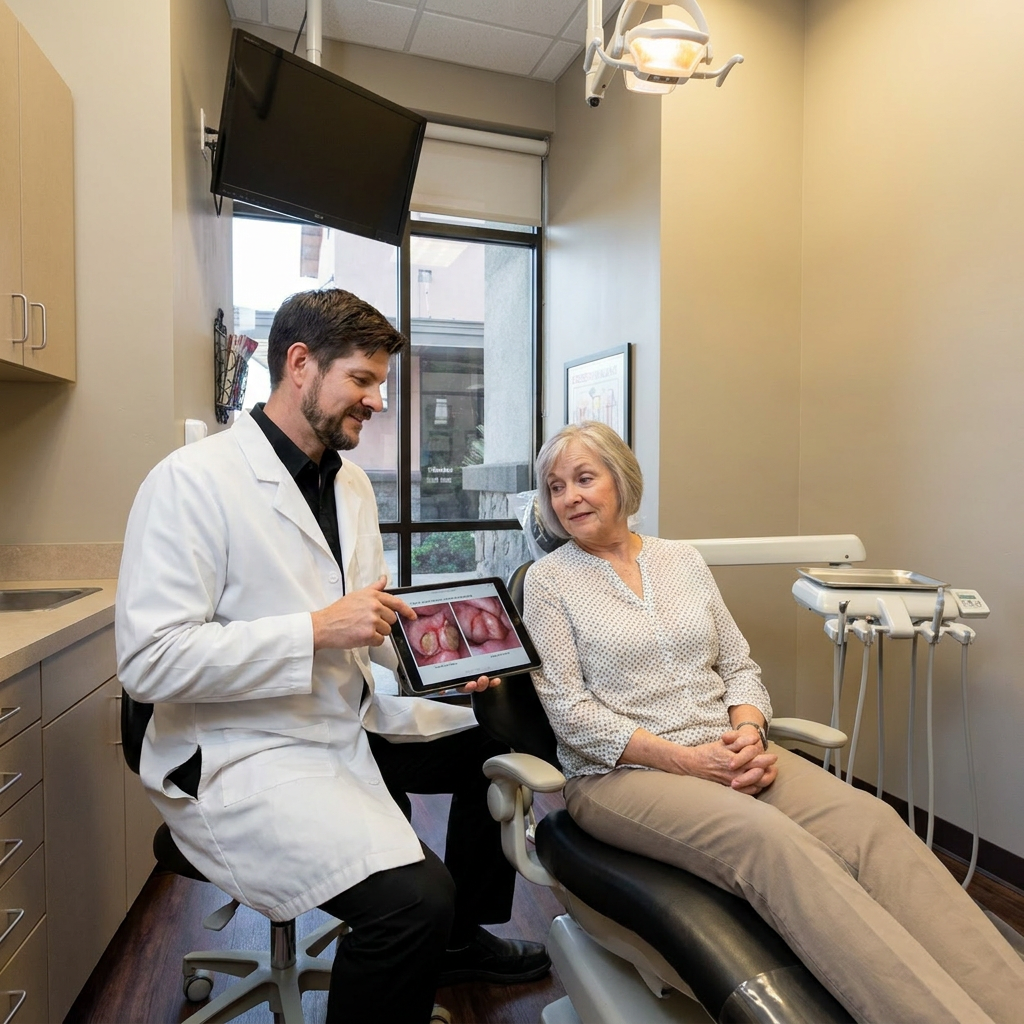
Every adult benefits from an oral cancer screening, but some people carry higher risk. If you use tobacco in any form, drink alcohol regularly, or have a history of prolonged sun exposure on your lips, your dentist will pay extra attention during the exam. A family history of cancer or a previous HPV diagnosis also puts you in a group that should be screened consistently, at least once a year.
You don't need symptoms to qualify. Most early oral cancers cause no pain at all, which is exactly why routine screening during dental cleanings or exams & x-rays matters so much. At Arrowhead Foothills Family Dentistry, an oral cancer screening takes only a few minutes and can catch tissue changes long before they become serious. Adults over 40 and anyone noticing a sore or patch that won't heal should ask about it at their next visit.
What to Expect During Your Visit
Your dentist starts by looking carefully at the soft tissues inside your mouth, including your cheeks, tongue, the floor of your mouth, and the back of your throat. They gently feel along your jaw and neck for anything unusual. The whole oral cancer screening takes only a few minutes and involves no pain or discomfort at all.
If your dentist spots an area that looks different, they may recommend a short follow-up visit to recheck it or take a small tissue sample. Most findings turn out to be harmless. You can eat, drink, and go about your day normally right after the appointment with no recovery time needed.
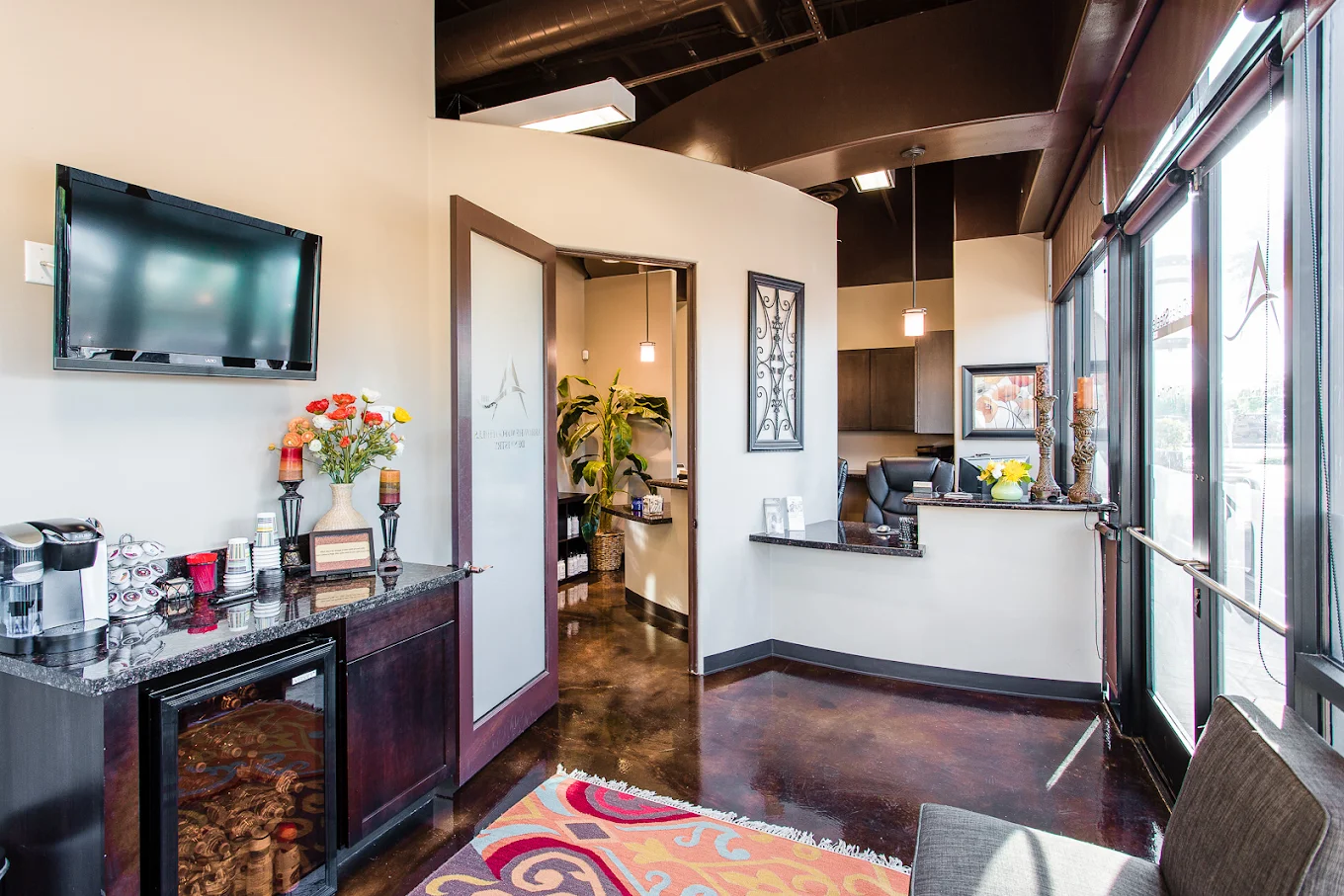
Before Your Appointment
- 01
Note any sore spots, patches, or lumps in your mouth that have lingered more than two weeks so you can point them out during the screening.
- 02
Remove any lip or tongue piercings before you arrive, since they can obscure tissue your dentist needs to examine closely.
- 03
Skip tobacco products and alcohol-based mouthwash for at least 24 hours before your oral cancer screening to reduce tissue irritation.
After Your Appointment
- 01
Note any spots your dentist pointed out during the oral cancer screening so you can monitor them at home over the next few weeks.
- 02
Skip spicy or acidic foods for the rest of the day if any tissue was gently brushed or palpated during the exam, since mild tenderness can linger.
- 03
Watch for any new sores, white patches, or red areas in your mouth that last longer than two weeks, and let your dentist know right away.
Advanced Oral Cancer Screening Technology
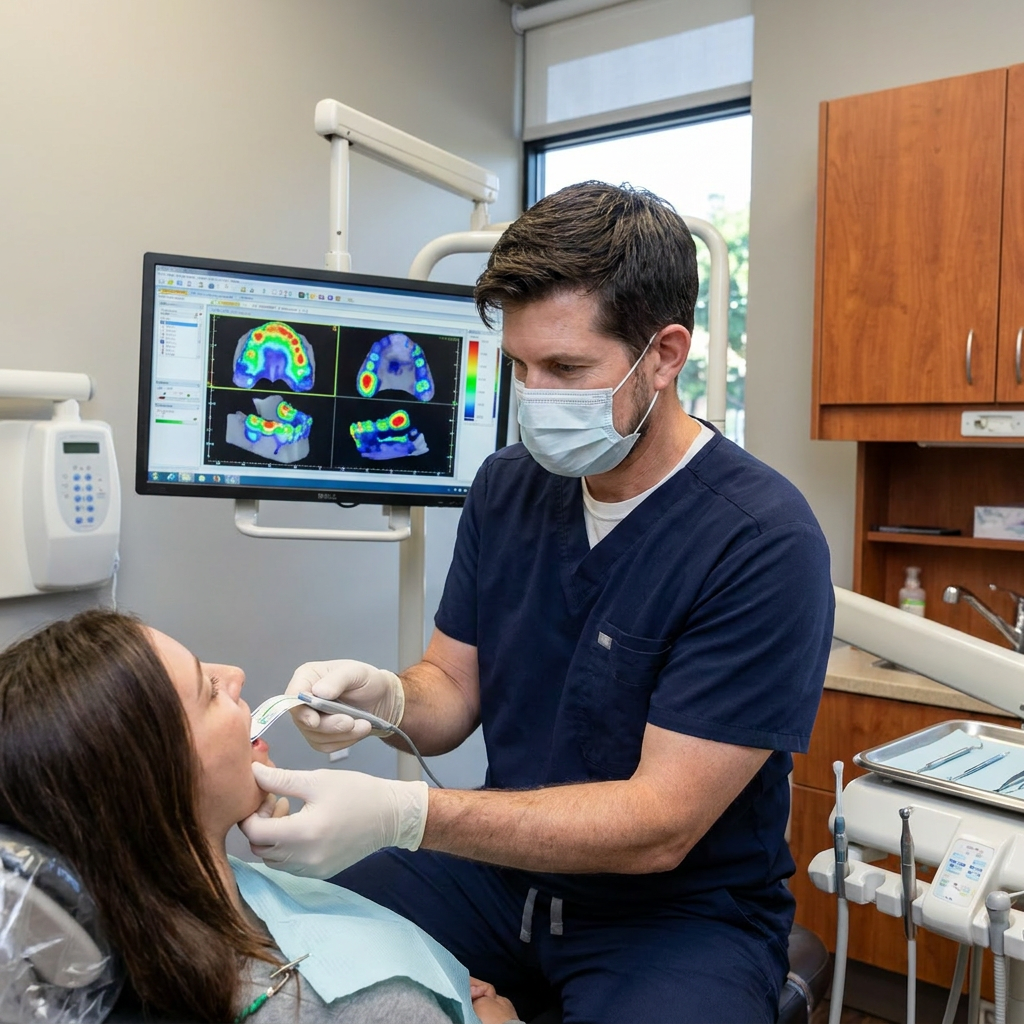
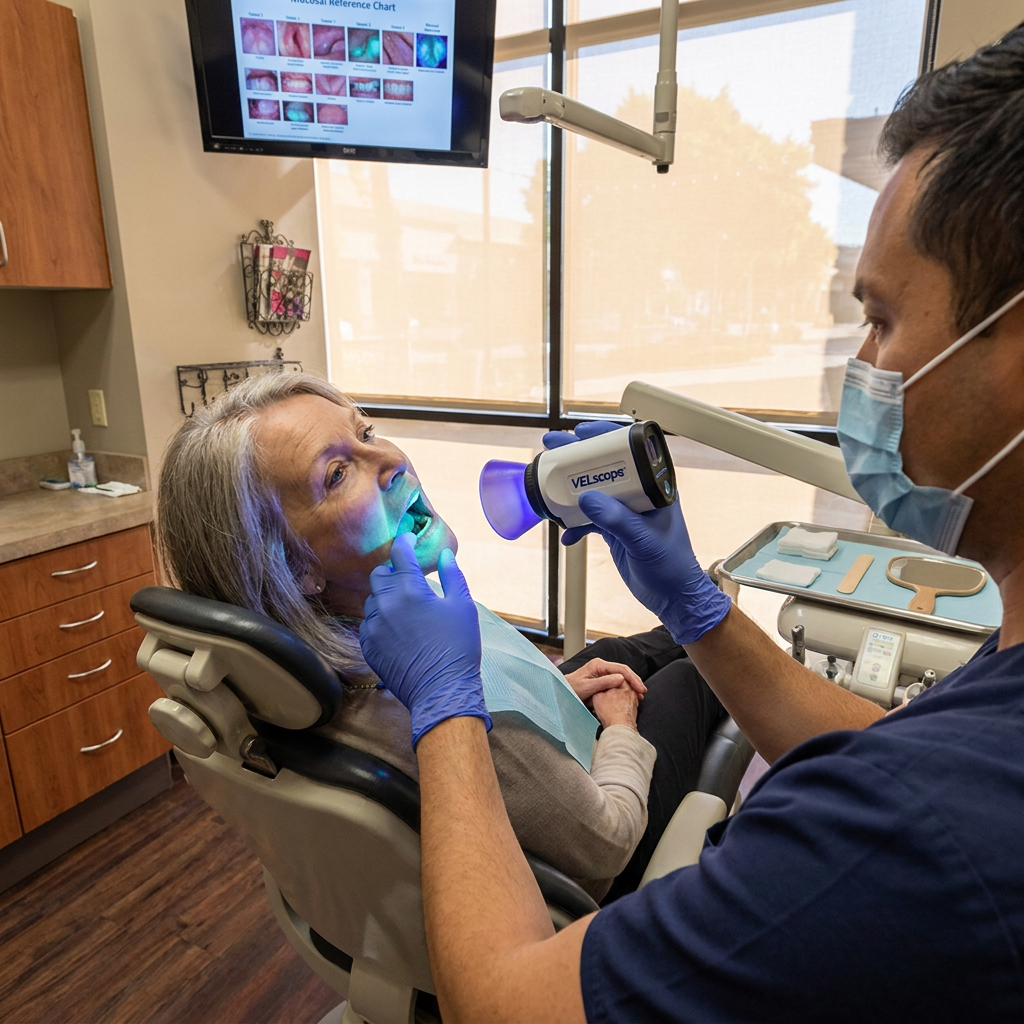
Traditional oral cancer screening relied entirely on the naked eye and fingertip palpation. Those methods still matter, but newer screening tools add a layer of detection that wasn't possible a decade ago. Fluorescence-based devices, for example, shine a specific wavelength of light on oral tissue. Healthy cells and abnormal cells respond differently under that light, making suspicious areas stand out even when they look normal in regular lighting.
At Arrowhead Foothills Family Dentistry in Glendale, AZ, the clinical team pairs these adjunctive tools with a thorough hands-on exam. The combination means smaller lesions get flagged earlier, when they're easiest to address. The screening adds only a couple of minutes to your visit, and the technology is completely non-invasive. You'll feel nothing more than a soft light moving across the inside of your mouth.
Why Our Patients Love Us
Real feedback from the families and neighbors we treat every week at our Glendale, AZ practice. These are the moments that remind Dr. Steele, Dr. Howard, and our whole team why we do this work.

-
-
-
-
-
Had a dental emergency and they got me in within a couple hours. They are full service so was able to make a crown while I waited. Had me in and out in 2 hours. So thankful did not have to go around with a cracked tooth. Highly recommend them

-
-
-
-
-
This practice is great. Everyone is so nice and professional. I decided to use them for my orthodontic journey. Andrea is my tech/dental assistant. She is so adorable and so patient. I’m proving to be a difficult case which means we get to see each other a lot!! I feel like I’m part of the AFD family. They are the best!
-
-
-
-
-
Highly recommend! Doctors and staff does an amazing job. Your in the best care here at Arrowhead foothills dentistry. Come and check it out, you will not be disappointed. Let's make Teeth great again!!
-
-
-
-
-
High quality dental care and services. Friendly and professional staff . Dr. Steele cares for his patients by being proactive for your future health. Been a patient here over 10 and will be long term.
Frequently Asked Questions
How often should I get an oral cancer screening?
Most dentists recommend an oral cancer screening at least once a year, typically during your regular checkup. If you use tobacco or drink alcohol heavily, your dentist may suggest screening every six months instead.
Can oral cancer screening detect problems that aren't cancer?
Yes. Screenings can catch other conditions like fungal infections, benign tumors, or chronic irritation from rough tooth edges. Identifying these early often means simpler treatment and faster healing.
Does an oral cancer screening hurt?
Not at all. Your dentist visually examines soft tissues and gently feels areas like the floor of your mouth and lymph nodes. The whole process takes just a few minutes and feels similar to a routine exam.
Are certain people more at risk for oral cancer?
Tobacco and alcohol use are the biggest risk factors. HPV infection, prolonged sun exposure to the lips, and a family history of cancer also raise your risk. But about 25% of cases occur in people with no known risk factors.
What happens if my dentist finds something unusual during an oral cancer screening?
Your dentist may ask you to return in two to three weeks to see if the area has changed. If it persists, a small tissue sample can be sent to a lab for analysis. Early detection leads to a much higher success rate with treatment.
Stay Informed with Expert Insights & Tips About Oral Cancer Screening
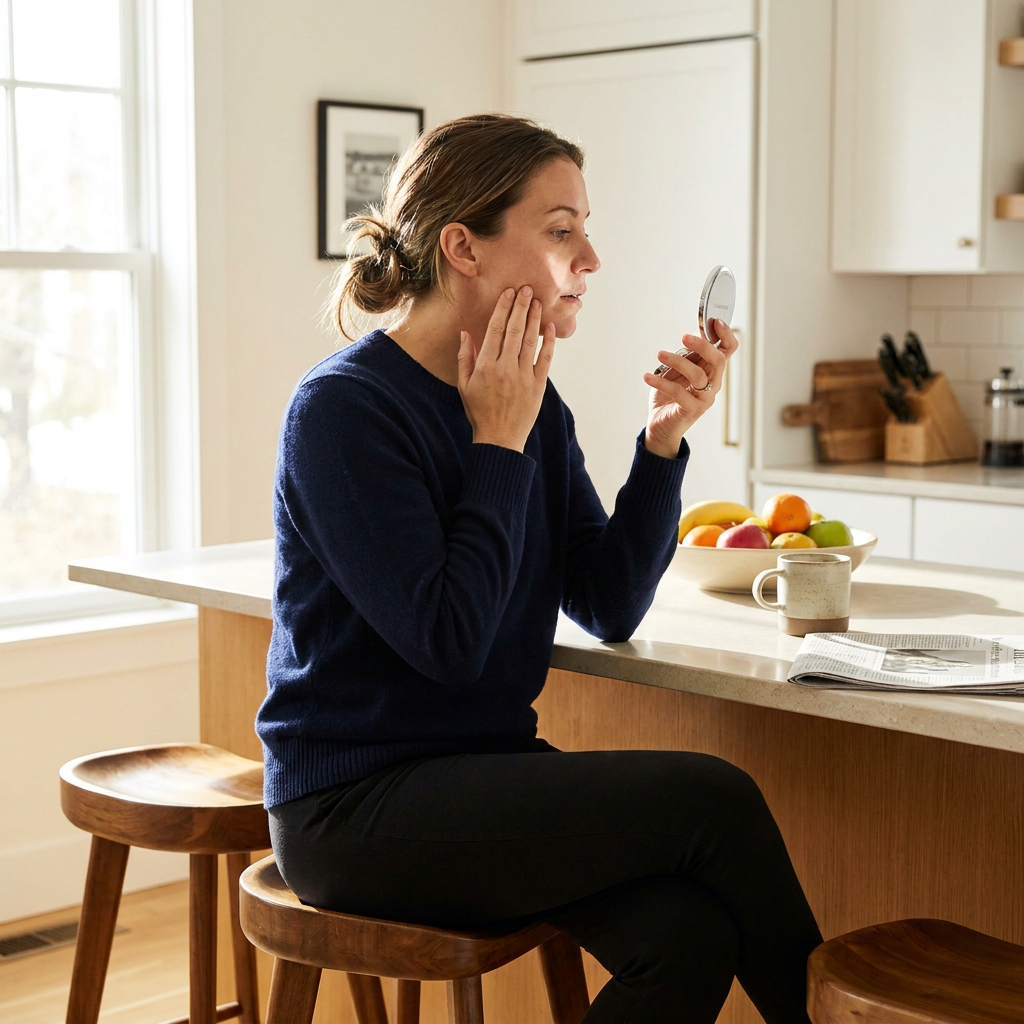
Your Top Oral Cancer Screening Questions Answered
Kristen's worry about a small spot leads to an oral cancer screening. Discover how proactive dental care answers key concerns and brings peace of mind.
Connect {{i}}With Our Team{{/i}}
We're welcoming new patients and would love to see you. Whether it's a routine checkup or your very first visit, our team is here to help. Reach out online, give us a call, or stop by our Glendale office.
OFFICE HOURS
Monday – Wednesday: 7:00 AM – 5:00 PM
Thursday: 9:00 AM – 5:00 PM
Friday – Sunday: ClosedCONTACT
(602) 978-9794
DENTAL EMERGENCY?
We offer same-day emergency appointments to help you find relief fast. Call us immediately at (602) 978-9794

Thank you for booking your appointment!
We’ve received your request and will contact you soon to confirm the details. We look forward to seeing you at Arrowhead Foothills Family Dentistry!